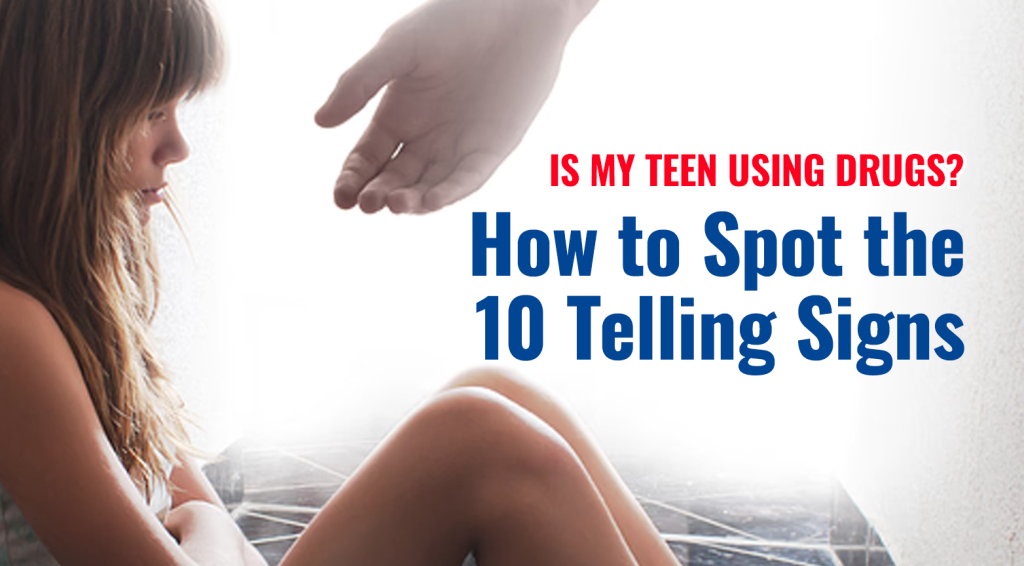
None of us want to believe that our kids would ever use drugs.
And, certainly, there are means of preventing this. But the risk remains, and since 90% of addictions begin between the ages of 7 and 17, we must know the signs.
Why?
In 2000, 17,415 people died of a drug overdose. In 2021, that number skyrocketed to over 100,000. That is alarming.
We’re not here to instill fear or anxiety in parents. But we want to equip you with the information that will empower you to protect your children and get them help if needed. If you’ve asked yourself, ‘Is my teen using drugs?’, here are 10 telling signs to look for.
1. A Change in Wardrobe
Teens change styles according to what is “in” at the time, but if you notice your teen suddenly wearing only long sleeves or pants, it doesn’t necessarily mean they’re using drugs, but it is something that teens will do to hide needle marks.
2. Increased Apathy
That “nothing matters” attitude can include many things, such as not wanting to participate in family activities, isolation, not caring about personal appearance, not wanting to eat, or low energy.
3. A New Set of Friends
Teens will make new friends now and then, but if they have entirely changed their circle with a new set of friends, it’s important to remember that who they spend time with is their identity and can influence behaviors.
4. Rebellion
Teens want to become more independent—it’s part of becoming adults. But there is a difference between testing the waters with an occasional attitude and moving into a full-blown rebellion against parents and household rules.
Additionally, if your teen doesn’t come home until after 10:00 pm – or you don’t know when your teen is coming home at night – it could also be a sign that your teen may be using drugs
5. Poor School Performance
A sudden drop in school performance, such as low grades, disciplinary problems, or poor attendance, can also be a sign of a problem. This alone doesn’t necessarily signal drug abuse, but it is a sign of an underlying issue that needs attention.
6. Changes in Mood
If your teen has become more irritable, angry, or defensive or has experienced other mood changes, such as being overly chatty or excessively worried, it’s time to dig deeper.
7. Physical or Mental Problems
This could include several things, but look for physical or mental problems or changes, including:
- Bloodshot eyes
- Slurred speech
- Memory lapses
- Increased or decreased appetite
- Chronic sinus issues, nosebleeds
- Use of perfume, room sprays, etc., to hide the smell of drugs
8. Missing Items from the Home
Missing prescriptions, over-the-counter medicines from the medicine cabinet, or other missing items from home that are out of the ordinary may be a sign.
9. Paraphernalia
You can watch for small plastic bags, wadded foil, pen caps or pens with ink removed, eye drops, small pipes, cotton balls, or other items. The presence of alcohol can also be an indicator of drug use. 90% of teens who use drugs start with alcohol or vaping.
10. Asking for More Money
Suddenly asking for more money or regularly asking for money, often without explanation, can signal your teen is using drugs.
These are some of the signs your teen may be using drugs. While not an exhaustive list, it gives you an idea of common signs. If your teen exhibits any of these signs, don’t panic, and don’t become accusatory. Have a conversation with your teen and reach out for help immediately.
Over 1 million teens are admitted to substance abuse programs every year. Statistics show that 80% of those teens return to these poor behaviors when they return to the same home life, school situation, or friend groups. So there will be lifestyle changes involved in recovery.
Suppose you believe your teen is abusing drugs. In that case, we urge you to seek help immediately by contacting a local mental health professional or by contacting one of the following House of Hope recommended resources:
Prevention
Every parent of teens should take steps to prevent drug and alcohol abuse. The greatest danger is thinking that “my child would never do that.” Most parents want to believe that. But if you want to protect your child, you’ll take the time to address this vital topic. Here are some ideas:
- Keep the lines of communication open. Have honest and continual conversations with your teen about the dangers of drugs and alcohol.
- Talk to your children regularly about the struggles they face at school. Make it a safe space for them to share without judgment or negative reactions.
- Find teachable moments from everyday life to talk about the effects of drugs.
- Be a good listener. Do less of the talking and focus on making your child comfortable opening up to you and asking questions.
- Ask your child what you can do to provide a family environment that makes them feel safe and understood.
- Plan fun outings with your teen that foster a bond where healthy communication can take place.
Now that you know the 10 telling signs your teen may be using drugs and how to take steps to prevent drug use, we hope you feel equipped to guide your child through this challenging phase of life. You can do it. We’re here for you.
For more information and help, be sure to reference our comprehensive guide: 7 Signs Your Teen May Need Help.