For many of us, love of country came naturally. It was absorbed in the atmosphere—parades, shared stories, family traditions repeated year after year. Patriotism felt less like something taught and more like something inherited.
For younger generations, it isn’t automatic. Surveys show only about four in ten Gen Z adults feel strongly proud to be American. The feeling isn’t gone—it’s unsettled. Gen Z needs a reason to hold onto something beyond being told to do so.
Patriotism isn’t inherited. It’s chosen. And it is chosen when someone sees that they have a role in protecting what is meaningful. Memorial Day offers a perfect starting point.
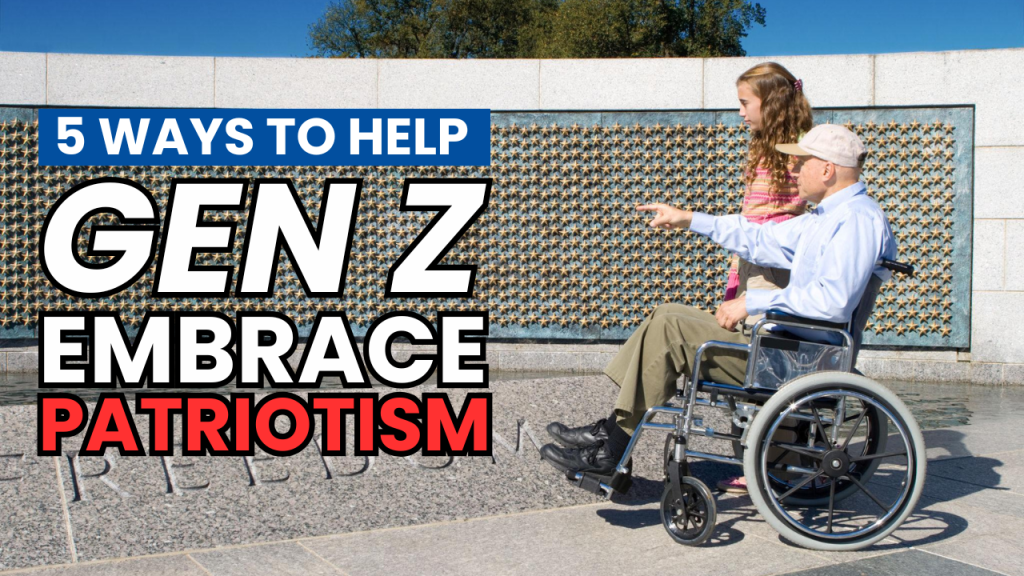
Here are 5 ways to help Gen Z embrace patriotism this Memorial Day—with actionable steps to shape the next generation of leaders.
1. Begin with Sacrifice, Not Pride
If patriotism starts with slogans, young adults tune out. If it starts with people, they lean in.
Here’s How You Can Help:
- Research a fallen service member from your state, town, or family. Learn their age, family, hobbies, and hopes for the future.
- Read a short account together and pause to reflect: Why would someone give their life for people they never met?
- Bring it to life visually: scroll photos of Arlington Cemetery, historical footage, or memorial tributes on a TV or tablet.
- Take action: write a thank-you note to a veteran’s family, visit a local memorial, or leave a small token at a grave.
Why it matters: Anchoring patriotism in real people’s sacrifice makes gratitude natural rather than forced. Love of country grows from honoring real courage, not repeating slogans.
2. Tell a Story Honest Enough to Keep
Gen Z doesn’t need a flawless history—they need a trustworthy one. They already know nations fail sometimes. What they want is to see whether the good is worth preserving.
Here’s How You Can Help:
- Share personal stories: a grandparent or family member who served, or someone in your community who protected or served others.
- Show video testimonies from veterans willing to risk their lives for freedom. Websites like the [Library of Congress Veterans History Project](https://www.loc.gov/vets/) are excellent resources.
- Discuss the complexity: courage, mistakes, and struggles included. Encourage questions: What would you have done in that situation?
Why it matters: Conviction grows stronger when it survives questions. Honest storytelling transforms gratitude from automatic to intentional.
3. Let Them Participate in the Meaning
Trust works differently for Gen Z. Only about one-third express strong trust in major institutions, so authority alone rarely persuades them. But conversation does.
Here’s How You Can Help:
Ask questions instead of giving lectures. Conversation opens hearts, especially with Gen Z.
- What kind of country is worth sacrifice?
- What responsibilities come with freedom?
- What would you want preserved for the next generation?
- Encourage them to help draw conclusions.
Organize a family discussion or small-group chat around Memorial Day stories, letting them lead parts of the conversation.
Why it matters: When they help form the meaning, the lessons stick. Patriotism becomes something they actively embrace, not passively inherit.
4. Connect Freedom to Responsibility
Patriotism grows when freedom feels entrusted, not assumed. Someone else bore a cost we did not, and gratitude naturally becomes stewardship.
Gen Z also needs to understand what life without freedom looks like. Share that in many countries under authoritarian or communist rule:
- Citizens face censorship and punishment for speaking their minds.
- Religious expression may be restricted or outlawed.
- Education, travel, and everyday choices are heavily limited.
- Financial prosperity can be completely diminished.
Here’s How You Can Help:
- Watch a short, factual video or read a first-hand account from someone living under restricted freedom.
- Discuss together: “What would your community look like if you couldn’t speak, vote, or gather freely? What could you do to preserve what we have?”
- Turn awareness into action: volunteer locally, participate in community improvement, or mentor younger kids—showing that freedom isn’t abstract; it’s something we carry forward.
Why it matters: Gifts carry purpose. What we receive shapes what we owe. Memorial Day is a natural time to recognize the sacrifice that makes freedom possible—and the responsibility it creates.
5. Remember Courage, Teach Responsibility
To help Gen Z understand that patriotism isn’t abstract—it is lived and remembered, we also have to help them understand that freedom and prosperity in America cost something.
Here’s How You Can Help:
- Visit a memorial or military cemetery.
- Read a fallen service member’s name aloud.
- Pray or pause to reflect for the families who lost loved ones.
Why it matters: Repetition builds memory. These acts teach Gen Z that freedom was earned and that it is their responsibility to carry it forward. Patriotism isn’t just admiration—it is action.
Why This Works
Previous generations often inherited a love of country. Gen Z adopts it.
Adoption happens when they realize they are part of the story—not spectators of a past victory, but stewards of a present trust.
When young adults understand that sacrifice was made not just for a nation, but for people—including them—patriotism stops being a slogan and becomes a responsibility. You can help Gen Z embrace patriotism in a fresh new way by taking proactive steps.
Remember: Gen Z doesn’t just want a country to admire. They want a country worth caring for.